
Finding Wildflowers Through Oxford’s Seasons
Reading the Meadow’s Changing Face
Early Spring Signs
High Summer Signals
Late Season Clues
Fieldcraft for Confident Identification
Flowers: Shape, Symmetry, and Color
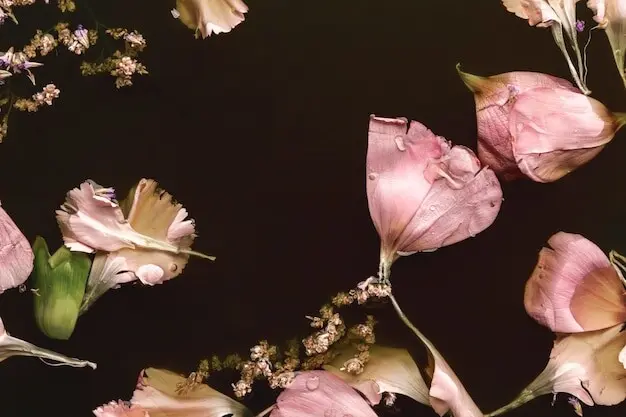
Count petals, notice symmetry, and check how parts attach. Composite daisies hide two flower types; peas display banners, wings, and keels; campions open five neat lobes while ragged-robin frays dramatically. Stigma form, tube length, and spot patterns often clinch shy identifications when color alone tempts careless guesses.
Foliage, Stems, and Hairs
Count petals, notice symmetry, and check how parts attach. Composite daisies hide two flower types; peas display banners, wings, and keels; campions open five neat lobes while ragged-robin frays dramatically. Stigma form, tube length, and spot patterns often clinch shy identifications when color alone tempts careless guesses.
Place, Season, and Companions
Count petals, notice symmetry, and check how parts attach. Composite daisies hide two flower types; peas display banners, wings, and keels; campions open five neat lobes while ragged-robin frays dramatically. Stigma form, tube length, and spot patterns often clinch shy identifications when color alone tempts careless guesses.
Landmarks Around Oxford

Lookalikes You Can Finally Separate
Seasonal Bloom Calendar
Spring Highlights
March and April bring cowslips on sun-warmed banks, cuckooflower rising in wet swales, and the incomparable checkerboards of snake’s-head fritillary at Iffley Meadows. May layers in oxeye daisies, lady’s bedstraw beginnings, and first yellow rattle flowers, inviting careful comparisons before lush grasses briefly hide subtle, low-growing marvels.
Summer Glory
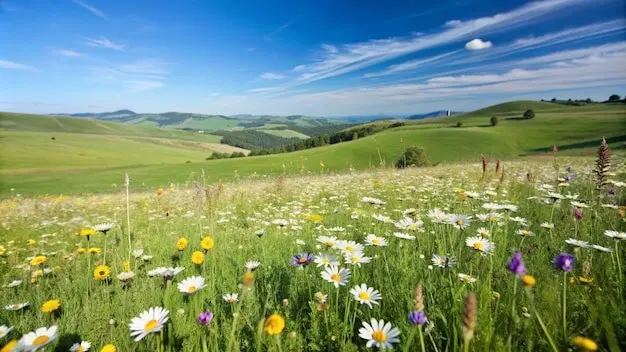
June through August bursts with knapweed, meadow vetchling, field scabious, meadowsweet along margins, tufted vetch on fences, and bird’s-foot trefoil painting cheerful suns. Listen for bees, watch butterflies, and practice grouping plants by families. Pods, bracts, and involucres become friendly teachers when many colors compete simultaneously.
Late Summer and Early Autumn
As days shorten, look for great burnet’s wine-red heads, yarrow’s clean plates, common fleabane near damp edges, and toadflax splashes along paths. Seedheads enrich identification practice, while hay aftermath reveals otherwise hidden rosettes. Keep notes; unexpected late flowers sometimes report intriguing microclimates worthy of community investigation.
Photography Without Harm
Fabulous images do not require trampling. Use longer lenses, step on sturdier path edges, and avoid lying on flowering swards. Shoot multiple angles to capture leaves and stems for later study. Share respectful compositions and camera settings in the comments to inspire kinder, sharper field storytelling together.
Recording and Learning Together
Log sightings on iRecord or iNaturalist with clear photos, date, approximate grid reference, habitat notes, and an honest confidence level. Ask questions courteously, tag Oxfordshire Flora Group or BSBI identifiers, and revisit entries after expert feedback. Subscribing ensures you receive seasonal checklists and printable pocket cards first.
When to Go and What to Expect
Sunrise brings quiet paths, slanting light, and dew-lit details; late afternoon warms colors and encourages insect activity. After heavy rain, expect flooded hollows and new drift lines. During hay-cut, follow diversions. Winter walks still teach structure, readying you for spring’s first rosettes and confident, early identifications.
Your Meadow Day Pack
All Rights Reserved.