Bloom Watch in Oxford’s Wildflower Meadows: Citizens Turning Seasons into Science

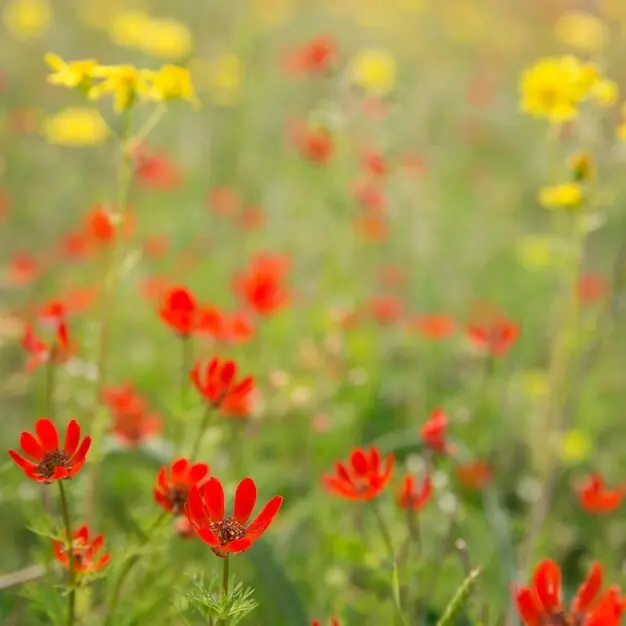
Join locals, students, walkers, and families as we explore Citizen Science: Tracking Bloom Phenology in Oxford’s Wildflower Meadows, showing how simple observations timed through spring and summer become robust data, reveal shifting seasons, and protect treasured habitats for pollinators and people.

Why Bloom Timing Matters

Bloom timing links flowers, insects, birds, and people on a delicate schedule. When blossoms open earlier or later, pollinators can miss nectar, seeds may fail, and traditions tied to meadows shift. By documenting first flowers, peak color, and seed set, communities track change, guide restoration, and shape policies that keep landscapes living and generous.

How to Take Reliable Meadow Observations

Good data begins with simple, repeatable habits in places you love walking. Select clear landmarks, follow the same route, pause at fixed points, and record weather, time, and companions. Small rituals reduce bias, make comparisons fair, and turn ordinary strolls into crisp, comparable science across years.

Tools You Already Carry

Most participants already carry everything needed: a phone, a pencil, and a willingness to look closely. Location tagging, timestamps, and simple forms reduce friction. When signals drop, paper works, and later transcribing strengthens attention, often revealing patterns you missed in the field’s gentle distractions.

Stories from the Field

Personal journeys give the numbers warmth and staying power. When neighbors describe their first cowslip every April, or the exact morning oxeye daisies flood a verge, subtle changes become visible and shared. Stories build continuity across generations, keeping action compassionate, persistent, and wonderfully local.

From Notes to Knowledge

Raw notes become impactful only after gentle cleaning, transparent decisions, and open sharing. Align dates, reconcile duplicate sightings, and flag uncertainties without shame. Visual summaries invite reflection, while open licenses let schools, councils, and researchers reuse the work, crediting contributors and strengthening civic stewardship across boundaries.

Cleaning and Validating Entries

Check that species names are current, dates follow the same format, and locations map to the correct meadow corners. If entries conflict, add a note rather than guessing. Future you, and collaborators you have not yet met, will thank your careful humility.

Visualizing Bloom Curves

Plot first bloom, peak, and last flower dates across years to see shifts, then overlay rainfall or temperature. Simple line charts can spark profound conversations at kitchen tables and council meetings alike, especially when paired with photographs that put numbers back among bees and grasses.

Meadows of Oxford to Explore

Oxford offers contrasting meadows where river, college, and community edges meet. Each responds differently to grazing, flooding, mowing, and footfall, creating varied calendars of color. Visiting several sites expands perspective, ensures resilience in the dataset, and deepens affection for the city’s green, breathing commons.


Join, Subscribe, and Keep the Seasons Honest

We would love your eyes, your notes, and your questions. Subscribe for gentle reminders aligned with seasonal turning points, and share reflections in the comments. Small, regular contributions from many neighbors build strength, accountability, and joy, keeping Oxford’s living calendar accurate, inclusive, and beautifully curious.

Sign Up and Invite a Friend

Create an account, choose nearby meadows, and invite a friend to split routes so observations overlap usefully. Peer companionship reduces missed days and improves identifications. Post your first three records this week, then set a repeating reminder that respects exams, holidays, and necessary rest.

Comment, Compare, and Learn

Use the discussion space to compare bloom dates across neighborhoods, ask about lookalikes, and share tips for photographing in wind. Celebrate discoveries with short notes. Subscriptions notify you of summaries and workshops, sustaining momentum after the first excitement and deepening everyone’s understanding together.

Report Anomalies and Celebrate Success

When something seems wildly early, exceptionally late, or abruptly absent, report it promptly with photos and context. Unusual observations push research forward and refine conservation responses. We will highlight contributions in roundups, crediting observers, and inviting follow-up walks that turn surprises into shared learning.
Zavoxarinovirinolento
Privacy Overview

This website uses cookies so that we can provide you with the best user experience possible. Cookie information is stored in your browser and performs functions such as recognising you when you return to our website and helping our team to understand which sections of the website you find most interesting and useful.