
Wildflower Light in Oxford’s Meadows
Step into Oxford’s river-kissed grasslands with your camera as we explore photographing the city’s meadow wildflowers, uncovering the best spots and the perfect timing for luminous results. From Port Meadow’s misty dawns to Iffley Meadows’ April fritillaries and Christ Church Meadow’s riverside drifts, we’ll pair maps, light, and fieldcraft. Expect practical guidance, respectful access tips, and creative sparks that help you return with images breathing perfume, colour, and quiet, lived stories from dew-bright mornings and unhurried, golden evenings.
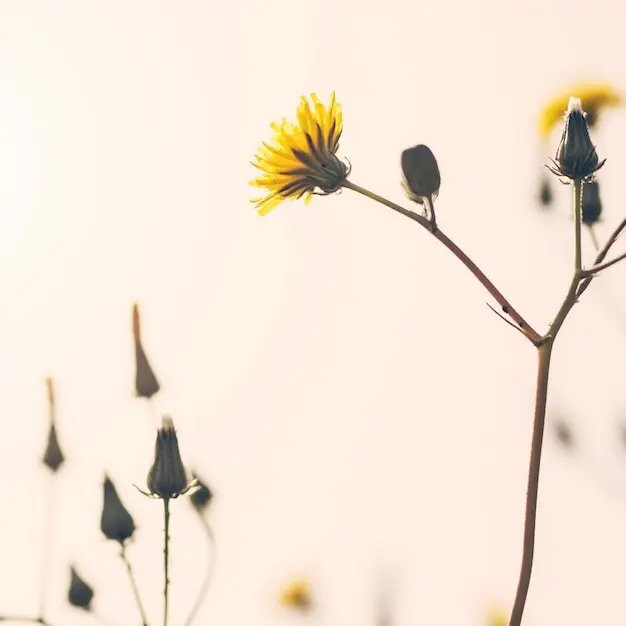
Port Meadow: Mist, Cattle, and Sky-Bright Water
Arrive before sunrise when cool nights birth river fog and the Thames turns into a mirror for dawn colour. Grazing cattle lend scale and a timeless pastoral mood; give them calm space and work from paths. Buttercups and clover glow in low backlight, while distant college spires glimmer through haze. After rain, puddled tracks catch reflections, and a long lens compresses flowers into painterly fields. Respect soft ground in flood season, step lightly, and wait for wind lulls: here, silence and patience shape photographs as surely as glass and settings ever could.
Iffley Meadows: April’s Snakeshead Fritillary Spectacle
Seek the short, magical window when fritillaries nod like lanterns, usually mid to late April, depending on cold snaps and rainfall. Use the boardwalks and marked routes maintained by conservation teams, keeping feet off sensitive turf. A macro or short telephoto isolates checked bells against dreamy grasses; gentle overcast turns colours velvety. Arrive at dawn for dew-beaded petals and soft breathy tones, or backlight them near sunset for a glow that makes patterns sing. Pack a knee pad, move slowly, and let the flowers guide your angle rather than forcing their fragile geometry.
Christ Church Meadow and Mesopotamia: Rivers, Willows, and Spires
Trace the looping paths where the Cherwell meets the Thames, finding oxeye daisies and swaying grasses beneath sweeping willows. Early morning offers quiet corridors of light, and evening gilds stone and water beyond the blooms. Use a moderate wide lens to stitch flowers to architecture, so the story holds both intimacy and place. Along Mesopotamia Walk, subtle footbridges, reed beds, and darting swallows animate compositions. Keep to the paths, mind cyclists and joggers, and pause whenever a breeze settles; in those breath-held moments, stems steady, reflections sharpen, and colour layers reveal themselves with welcoming, generous clarity.


Timing the Dance of Light, Season, and Weather
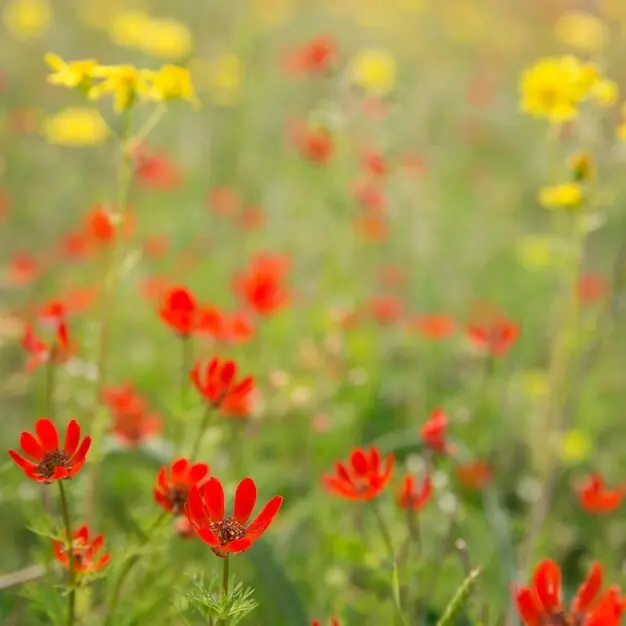
Wildflower images live or wilt by timing. In Oxford’s meadows, spring builds from cowslips to buttercups to daisies, while summer brings knapweed, scabious, and purple loosestrife. Golden hour sculpts petals with honeyed edges, blue hour cools notes into gentle hush, and overcast midday can become a giant softbox. After rain, colours saturate; after cold nights, mist drapes the lowlands, and dew turns every stem into glass. Track wind forecasts because calm dawns gift tack-sharp detail. Let season and sky collaborate, and your frames will carry the breath, rhythm, and unmistakable heartbeat of place and time.




Lenses, Settings, and Fieldcraft for Confident Results
Bring tools that respect both light and life. A 90–105mm macro grants intimate focus; a 70–200mm compresses colour blocks; a 24–35mm places flowers within spires and river arcs. Manual focus with magnified live view helps precision; focus stacking can extend depth on calm mornings. Tripods steady compositions, while a small reflector or diffuser tames contrast. Pack a groundsheet, knee pad, and microfiber cloths for dew. Protect habitats by staying on paths, and protect files with extra cards and batteries. Technical fluency liberates attention toward gesture, story, and the delicate relationships threading blossom to landscape.
Ethical Footprint: Moving Softly Through Living Spaces
Treat every meadow as someone’s home. Close gates, yield to cattle, and never chase butterflies or birds for proximity. If a path is muddy, accept dirty boots over trampling fresh growth. Keep tripods and bags off fragile clusters, and resist pruning or bending stems. Learn each reserve’s guidance, especially around Iffley during fritillary peak. Share space generously with walkers and anglers. Your courtesy becomes part of the scene, lightening your touch and clarifying your eye. Photographs earned with care carry a grace that viewers feel, even if they cannot name the quiet discipline behind them.
Working with Pollinators: Rhythm, Distance, and Light
Bees wake with warmth, so mid-morning often hums with activity. Choose a slightly longer focal length to give respectful space while keeping the insect large in frame. Anticipate flight paths by watching which flowers reload pollen or open wider with sun. Use continuous autofocus and moderate apertures to hold wings and eyes. Backlight can rim bees beautifully; shade can reveal colour nuance. If a subject appears stressed, step back and rest the patch. Patience and empathy breed rhythm: in those shared minutes, your images gather not just detail but the pulse of life itself.
Colour, Texture, and Playful Techniques
When light turns liquid, creativity blossoms. Backlight spins halos around fine hairs; side-light carves texture into daisies; overcast whispers velvet across saturated petals. Try intentional camera movement to translate wind into brushstrokes, or in-camera multiple exposures to layer context and detail. A handheld reflector can warm cool shadows; a hat brim can flag stray flare. Compose for colour harmonies—buttercup gold against Oxford blue, magenta knapweed beside soft limestone. Let experiments coexist with restraint: playful frames teach you how beauty bends, then guides you back to quiet clarity, wiser about the meadow’s voice.
Planning, Access, Safety, and Sharing the Story
A little preparation creates space for art. Check sunrise times, tide-like river levels after heavy rain, and wind forecasts; identify paths, gates, and boardwalks before darkness. Travel lightly by bike or bus where possible, parking respectfully when needed. Wear waterproof boots, carry layers, water, and antihistamines if pollen pricks. Mind livestock, stinging insects, and ticks; do checks after tall grass. Back home, process with honesty, share with local groups, and invite conversation. Community feedback, seasonal challenges, and gentle critiques sharpen your eye and deepen your bond with these generous, flowering edges of the city.
Smart Prep: Maps, Light Apps, and Weather Windows
Use OS Maps to plan legal access and river crossings, and PhotoPills or The Photographer’s Ephemeris to predict sun angles and golden hours. BBC Weather and Windy help catch mist-friendly nights and calm dawns. Save emergency locations, charge spares, clear cards, and pack only what you’ll truly use. Set an intention—macro study, context story, or both—so decisions stay simple when light flares brilliantly. Preparation is compassion for your future self: fewer fumbling moments, more attention available for nuance, safety, and the subtle choreography between petal, breeze, reflection, and the first curious bee.
Editing with Integrity: Colour, Contrast, and Gentle Touch
In Lightroom or similar tools, begin with white balance that respects hour and weather, then shape contrast sparingly to protect petal tonality. Use HSL panels to separate greens without neon excess, and selective masks to cradle highlights. De-noise just enough, retain texture in pollen and stems, and avoid clarity sledgehammers that bruise edges. Sequence images to breathe: close-up, mid, wide, then linger on a quiet detail. When edits echo how the meadow felt—cool fog, warm sun, or rain-fresh shine—viewers trust your photograph, step closer, and stay long enough to smell the imagined air.
All Rights Reserved.